Sharing Histories,
Building Relationships
NiwotLivingHistory.org is a living archive dedicated to Colorado, Boulder and Niwot historical truth-telling, community tribal relationship building, and collaborative cultural projects rooted in Niwot, Colorado — named for Southern Arapaho Chief Nowoo3 (pronounced Nuh-woth) “Niwot,” whose name means “Left Hand.”
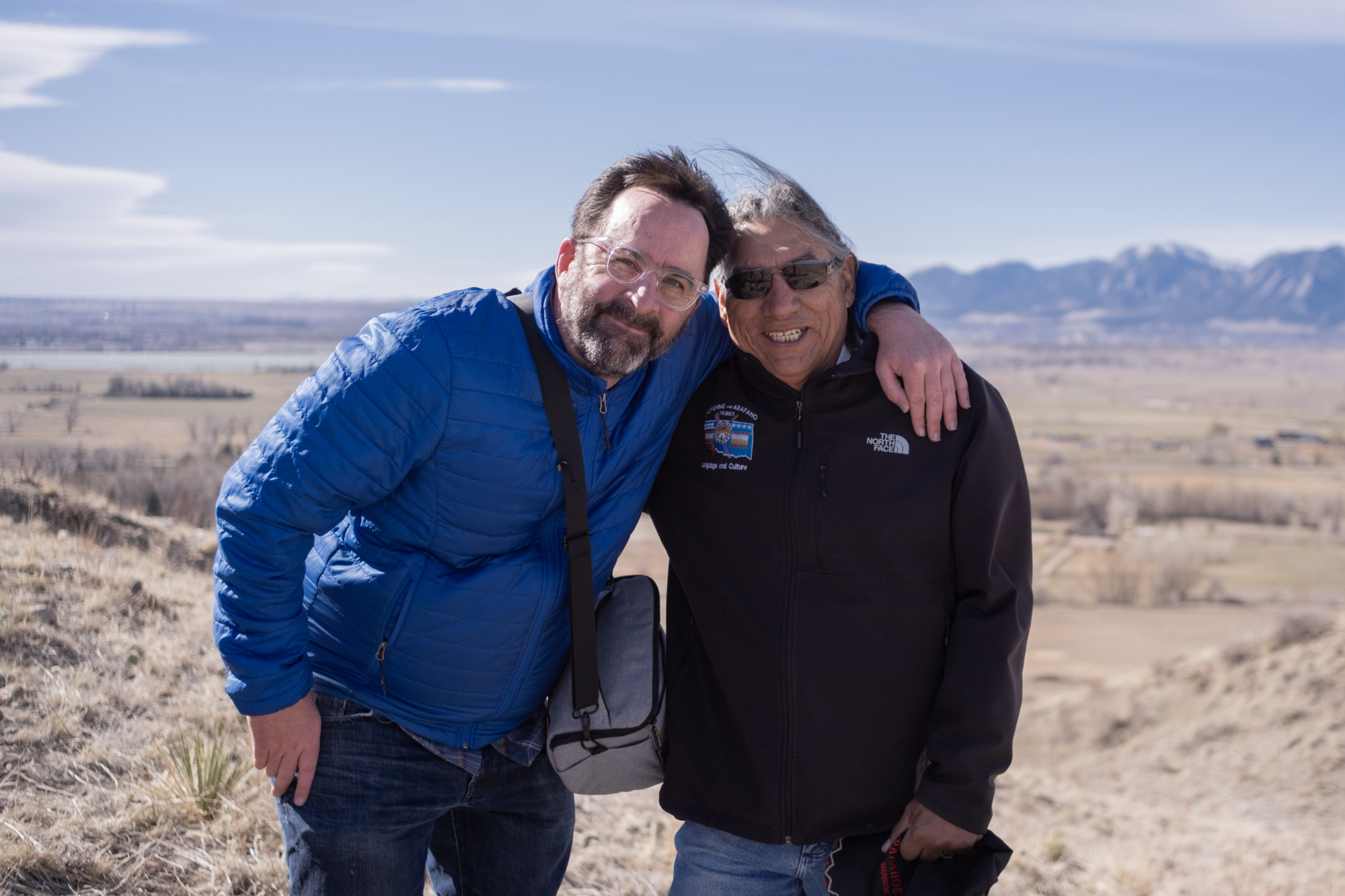
Why This Website Exists
Over the years, Phillip Yates has had the privilege of learning from and listening to Tribal Representatives as part of the City of Boulder's ongoing efforts to build relationships with Tribal Nations. He developed this platform to translate those experiences into actionable community partnerships. Specifically, this website serves to:
Improve Historical Storytelling
Help the Niwot community and the broader Boulder Valley and Denver Metro learn more about our shared history with Arapaho and Cheyenne Nations to honor the legacy of Southern Arapaho Chief Nowoo3 (Left Hand).
Elevate Collaborative Lessons
Share the insights and relationship-building protocols learned directly from Tribal Elders during collaborative historical storytelling efforts, including communicating the history of the Sand Creek Massacre and how to plan, organize and implement municipal consultations.
Highlight Local Action
Showcase the steps Niwot is taking to move beyond land acknowledgments, including hosting the "Building Arapaho, Cheyenne, and Niwot Relationships" event, supporting the annual Niwot Native Art Market, launching a Niwot Film Festival, supporting Native art murals, and preserving historic Native art.
NiwotLivingHistory.org is grounded in years of public-history, municipal communication, and relationship-building work connected to Arapaho and Cheyenne histories in the Boulder Valley, while maintaining clear boundaries: this independent site does not speak for, represent, or initiate consultation with any Tribal Nation.
Years of Collaborative Practice
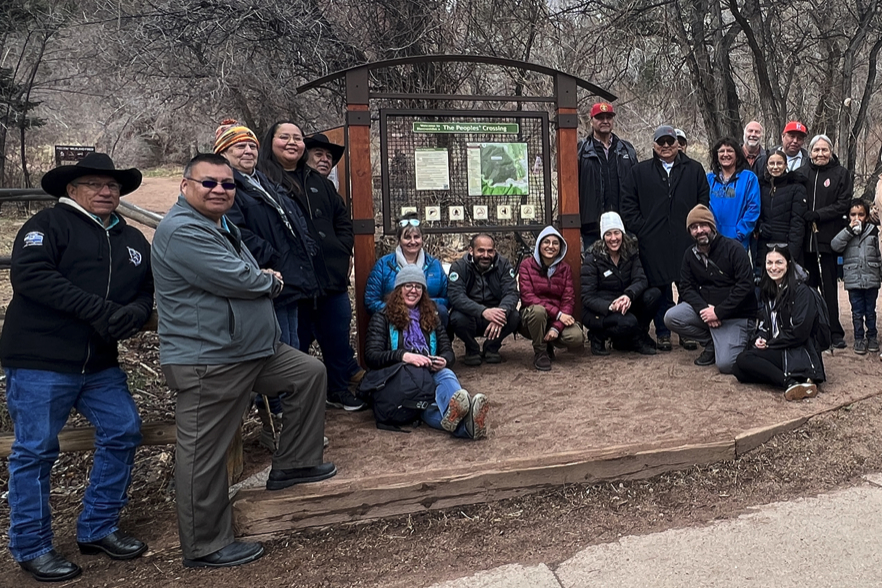
Curated by Niwot community member Phillip Yates, this platform draws on his extensive experience as the former Senior Communications Program Manager for the City of Boulder Open Space and Mountain Parks (OSMP) department. In this role, he collaborated directly with Tribal Representatives from 16 sovereign Tribal Nations to design, implement, and sustain long-term collaborative frameworks between municipal government agencies and Native communities.
That collaborative work has included renaming Settlers’ Park to The Peoples’ Crossing, developing a foundational ethnographic report to center Native perspectives in local history, and organizing an event to celebrate Boulder and Tribal Nation relationships.
During that time, Phillip Yates shared numerous meaningful conversations with Fred Mosqueda, Southern Arapaho, and Chester Whiteman, Southern Cheyenne, to publicly address Boulder County’s direct ties to the Sand Creek Massacre.
“I was always told to get respect, you have to give it. That’s what I want to tell the [Niwot] community. You respect Native people, we will respect you. We need to make a move forward, and we need to heal. There’s still a lot of open wounds out there, so we need to show respect to one another and move forward, hand in hand.”
Turning History Into Tangible Action
Our work translates civic dialogue into shared, on-the-ground initiatives in Niwot — replacing comfortable “Hollywood history” with authentic accounts shaped in direct partnership with the Cheyenne and Arapaho Tribes and Native communities.
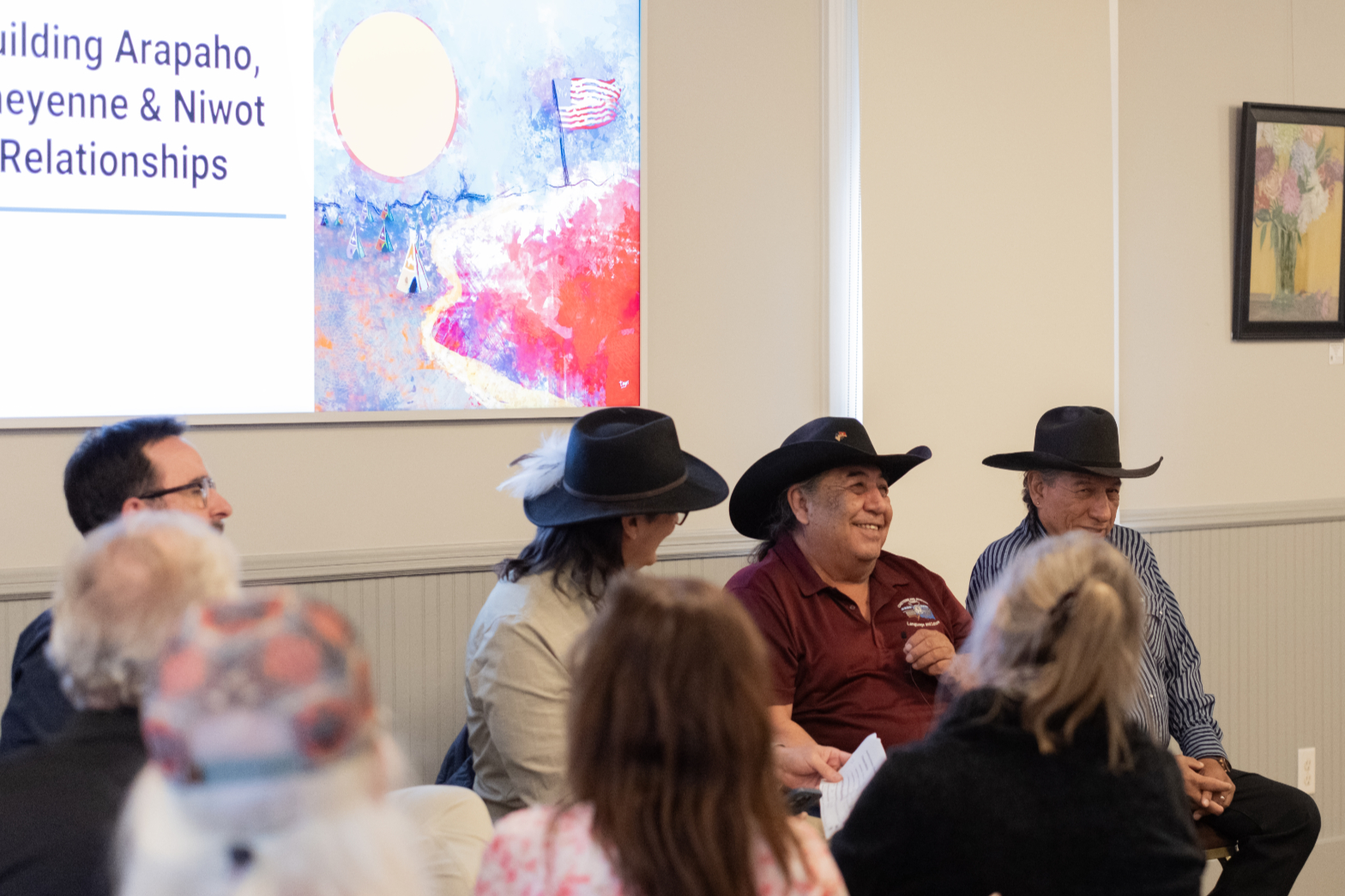
Building Meaningful Relationships
Facilitating in-person engagement with Southern Arapaho Elder Fred Mosqueda and Southern Cheyenne Elder Chester Whiteman to foster genuine, truthful historical storytelling — the vital foundation for lasting partnerships.
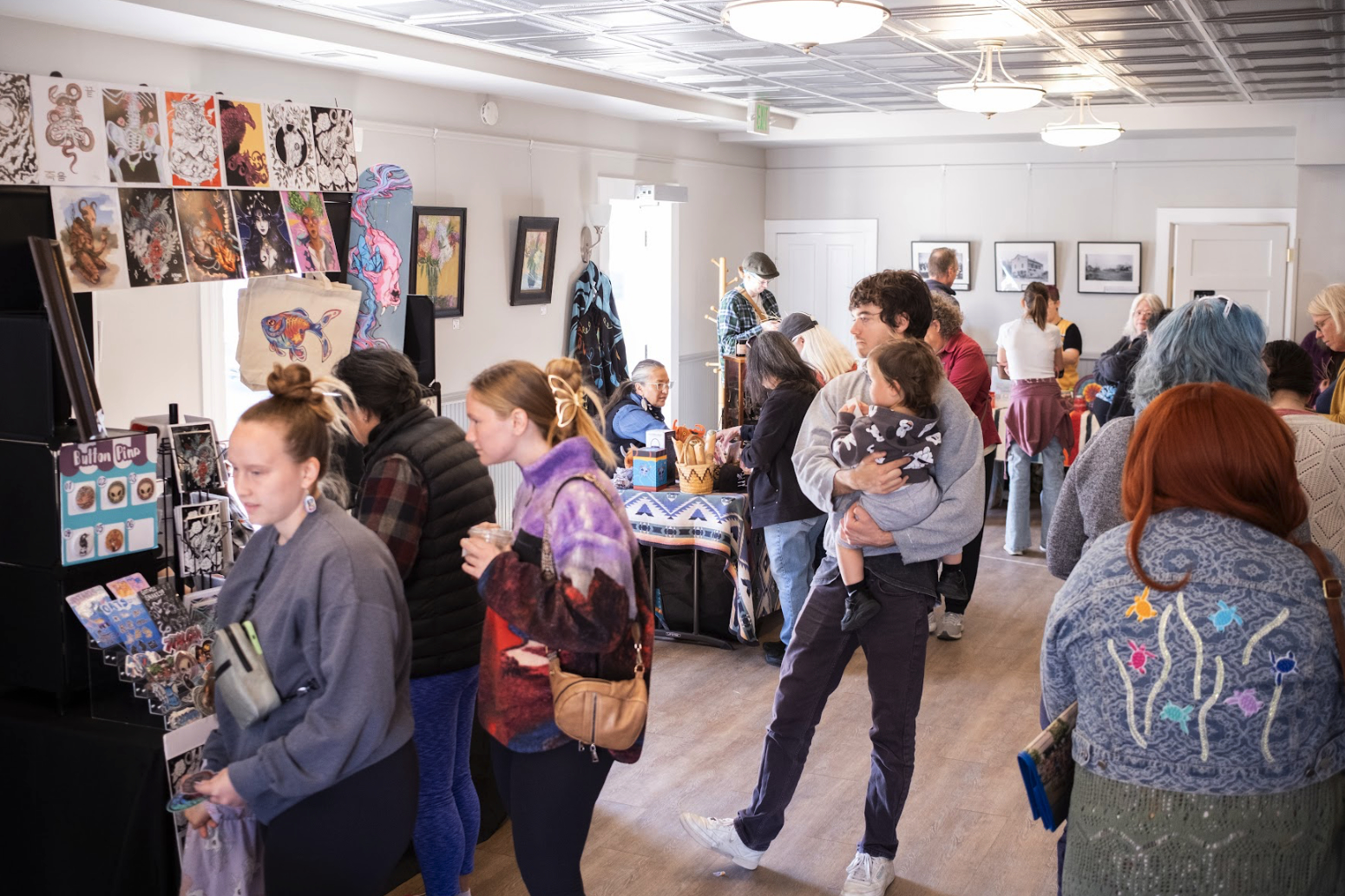
Niwot Native Art Market
A fee-free, “artist-first” civic platform initiated by acclaimed Native artist Tom Myer, providing direct, welcoming public space in the heart of Boulder County for Indigenous artists, dancers, musicians, and cultural experts to share, celebrate, and sell their work.
Niwot Film Festival
An independent film festival celebrating Indigenous voices, immigrant stories, and the next generation of Colorado filmmakers, scheduled to connect Niwot's legacy to broader national themes alongside the 2027 Sundance Film Festival in Boulder.
Public Art Preservation
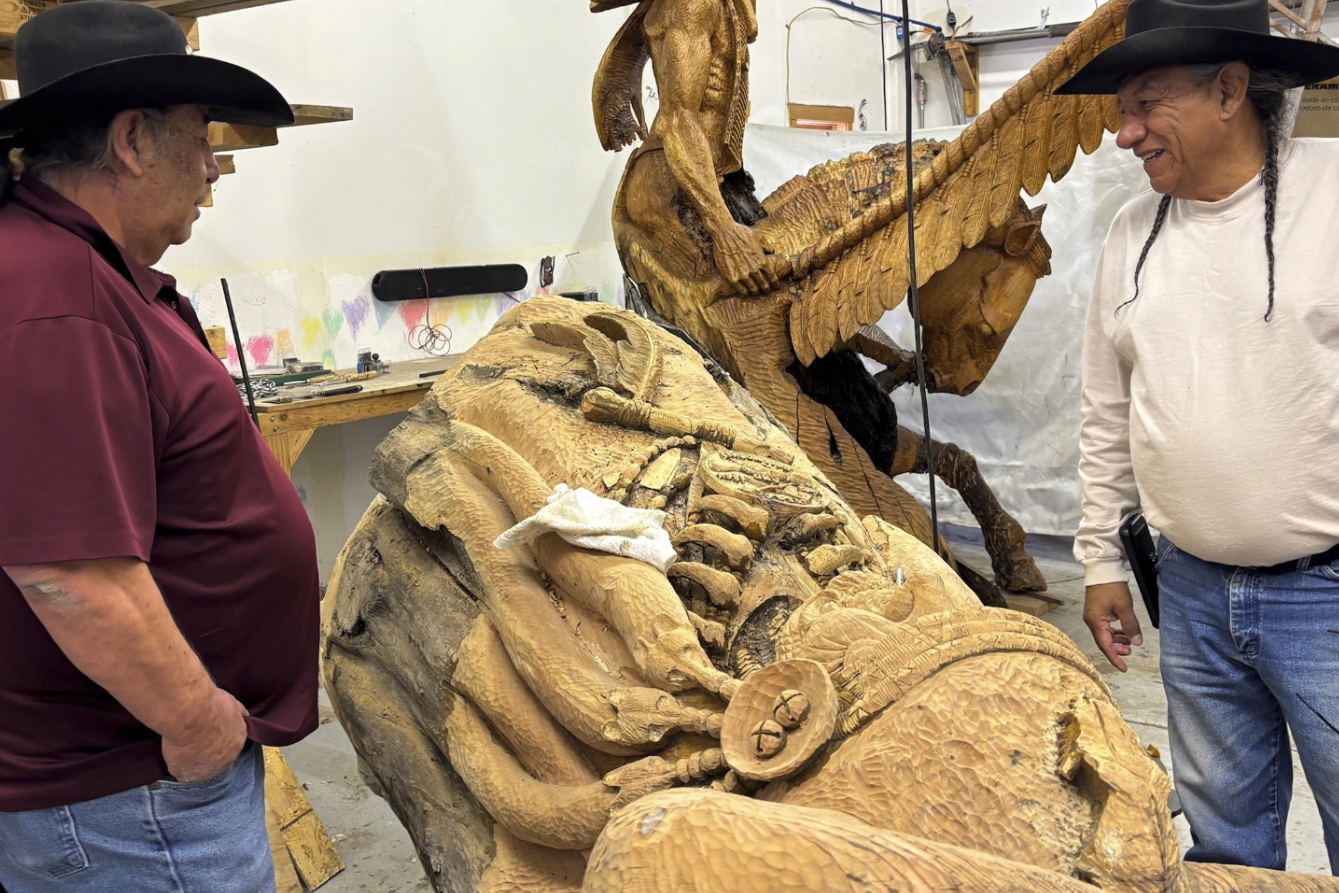
Actively supporting Native art by preserving the elder-guided Niwot Tree Carvings by Eddie and Dustin Wolf, and championing the 2022 Cottonwood Square Murals where four Indigenous artists integrated Native history into our commercial district.
“One of the most important things is for the Niwot community to get to know who Nowoo3 is, who his people were. Once they get to know who he was, then they will begin to know who the Arapaho People were and who we are today.”
- Left Hand Valley Courier · April 29, 2026
Locals begin planning Sundance activities
Regional community-outreach strategy planning around Sundance Film Festival relocation — Niwot grassroots cultural programming continuity.
Open →
- Left Hand Valley Courier · November 26, 2025
Native Art Market returns to Niwot Nov. 30
Expansion of the Niwot Native American Holiday Art Market — second annual iteration anchoring the town's seasonal cultural calendar.
Open →
- Left Hand Valley Courier · July 23, 2025
Left Hand Laurel: Phillip Yates
Feature profile with Southern Arapaho elder Fred Mosqueda on six years of relationship-building between Boulder-area communities and Tribal Nations.
Open →
- PRSA Colorado · 2025
2025 Gold Pick Awards — Historical Storytelling Collaboration
Peer-reviewed Public Relations Society of America (Colorado) recognition of the Fort Chambers / Sand Creek historical storytelling and community-engagement collaboration.
Open →
- Left Hand Valley Courier · March 26, 2025
The legacy of Chief Nowoo3: Building relationships
Coverage of the sold-out Left Hand Grange gathering with Fred Mosqueda (Southern Arapaho) and Chester Whiteman (Southern Cheyenne), and the Haystack Mountain cultural landscape walk.
Open →
- Left Hand Valley Courier · March 19, 2025
Niwot Native Art Show draws large crowd
Launch coverage of the inaugural Niwot Native American Art Market — the foundational event of the town's Indigenous cultural programming chronology.
Open →
- Left Hand Valley Courier · March 5, 2025
Community event to focus on Arapaho, Cheyenne and Niwot relationships
Public announcement of the sesquicentennial event framework hosted at the Left Hand Grange.
Open →
- Left Hand Valley Courier · July 19, 2023
Where are they now: Phillip Yates
Dedicated retrospective on Yates's transition from City of Boulder Open Space and Mountain Parks communications into independent civic and educational work.
Open →
- Boulder Daily Camera · May 16, 2023
Boulder removes inaccurate marker related to Sand Creek Massacre
Report on the removal of an inaccurate historical marker at Fort Chambers, with support from Arapaho and Cheyenne Tribal Representatives — the culmination of years of fraught government-to-government consultation that began in 2018–2019.
Open →
- CBS News Colorado · 2023
Colorado city collaborates with tribes to 'heal' site where Sand Creek troops trained
Broadcast coverage of the multi-year tribal consultation that produced the Fort Chambers concept plan, quoting Open Space spokesperson Phillip Yates on intergenerational trauma and dismantling colonial mythologies.
Open →
- CBS News Colorado · 2023
City of Boulder will share truth of its tie to the Sand Creek Massacre
Feature on Boulder's effort to acknowledge its direct connection to the Sand Creek Massacre through Fort Chambers interpretation.
Open →
- CBS News Colorado · 2023
Colorado city works to learn from deadliest day in state history
Broadcast feature on Boulder's Fort Chambers and Sand Creek Massacre historical recovery and consultation work.
Open →
- Denver7 ABC News · 2023
Boulder plans to 'Heal the Land; Heal the People' through transformation of historic Fort farm
Television feature on the Fort Chambers / Poor Farm collaborative stewardship plan.
Open →
- Yahoo News · 2021
'All worthwhile': The Peoples' Crossing a step forward by Boulder, advocates say
National syndication of the Settlers' Park → Peoples' Crossing renaming story, distributing Boulder's consultation outcome to a national audience.
Open →
- Boulder Daily Camera · June 1, 2021
Boulder City Council signals unanimous support for The Peoples' Crossing renaming
Council vote record for the renaming of Settlers' Park to The Peoples' Crossing — the formal municipal endorsement of the consultation outcome.
Open →
- City of Boulder (Official Release) · 2021
City renames 'Settler's Park' to 'The Peoples' Crossing'
Official renaming proclamation developed in government-to-government consultation with federally recognized American Indian Tribes — direct outcome of Resolution No. 1190 (2016) and the 2019 consultation cycle.
Open →
- Boulder Beat · May 28, 2021
Boulder's Settlers Park will (finally) be renamed
Long-form coverage of the five-year, often fraught community effort to rename Settlers' Park to The Peoples' Crossing — honoring the site where Chief Nowoo3 told gold-seekers to depart in 1858.
Open →
- Boulder Daily Camera · March 14, 2021
Boulder's plan to develop land acknowledgments is a first step, advocates say
Implementation analysis of Boulder's land acknowledgment development process — advocate perspectives on the work's scope, limits, and accountability.
Open →
- Boulder Daily Camera · March 5, 2021
Boulder working toward Indigenous land acknowledgments
Primary-source account of the City of Boulder's effort to develop Indigenous land acknowledgments in partnership with sovereign Tribal Nations — featuring Phillip Yates as City spokesperson, rooted in Boulder's inaugural racial equity plan and the 2016 Indigenous Peoples Resolution.
Open →
Frequently Asked Questions
NiwotLivingHistory.org is independently curated by Phillip Yates, a Niwot community member and former Senior Communications Program Manager for the City of Boulder Open Space and Mountain Parks (OSMP), where he led government-to-government consultations with 16 sovereign Tribal Nations.
Niwot, Colorado is named for Southern Arapaho Chief Nowoo3 (pronounced Nuh-woth), whose name in English means "Left Hand." Chief Niwot's people wintered in the Boulder Valley for generations before being forcibly removed in the 1860s.
The site's work is rooted in ongoing relationships with the Southern Arapaho and Southern Cheyenne — primarily through Elders Fred Mosqueda and Chester Whiteman, both representatives of the Cheyenne and Arapaho Tribes of Oklahoma.
It means replacing symbolic statements with structural civic work: face-to-face relationship building, public history corrections, the Niwot Native Art Market, the Niwot Film Festival, public art preservation, and accountable municipal-tribal frameworks.
No. The platform does not speak for, represent, or initiate consultation with any Tribal Nation. Government-to-government consultation is a sovereign process that rests entirely with the tribes themselves.