Save the Date: Niwot Native Art Market Returns Saturday, June 27, 2026. Learn more →
Learn more

Library: Culture & History Resources

This page serves as a place for the Niwot, Boulder Valley, and Denver Metro communities to learn more about building meaningful relationships with Tribal Nations and Native communities. These resources offer direct access to learning about Tribal and Native communities today, broken treaties, the colonization of Indigenous lands, and our region’s deep connection to the 1864 Sand Creek Massacre—one of the most tragic events in Colorado and United States history.

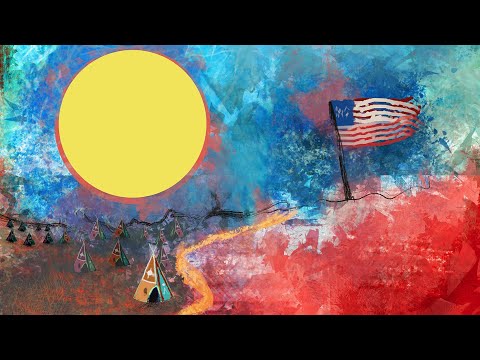
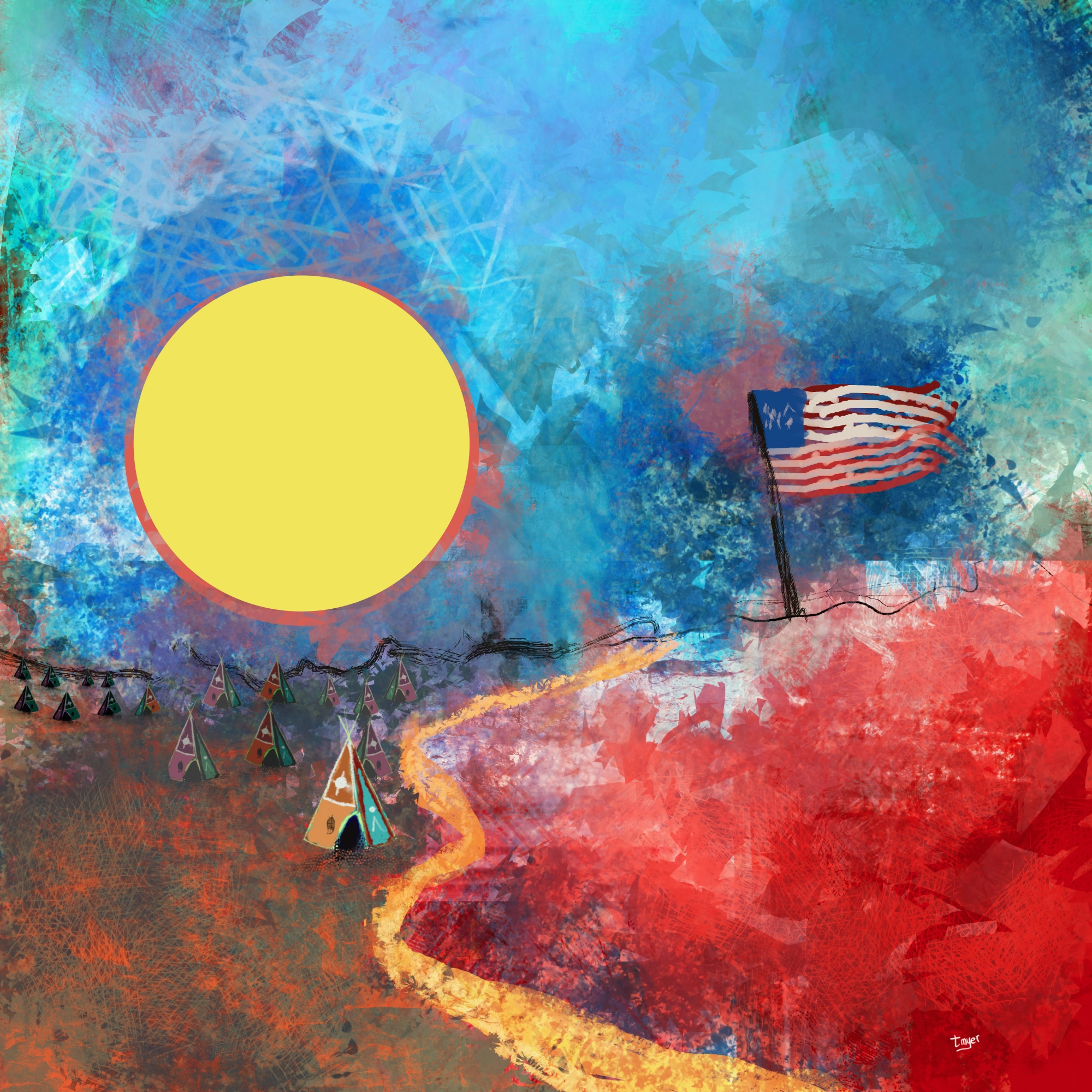
Encroachment — painting by Tom Myer depicting Arapaho tipis on a ridge beside a yellow sun, with an American flag staked into red ground, illustrating settler displacement of Indigenous peoples in the Boulder Valley.
“Encroachment” by Tom Myer.

Continue Learning

These reports and resources provide deeper context for Indigenous perspectives, Boulder Valley history, Denver history, Sand Creek, and contemporary Tribal relationships.

Ethnographic Report

Centering Indigenous Perspectives: The Boulder Ethnographic Report

As urged by Cheyenne and Arapaho Elders Fred Mosqueda and Chester Whiteman, true partnership requires actively including Indigenous perspectives within our Boulder Valley historic storytelling. The Tribal Ethnographic-Education Report — co-developed with Tribal Nations — offers direct insight into their history and enduring connections to the Boulder Valley and Colorado.

Municipal History

Confronting Municipal History: Denver’s We Are the Land Report

Denver’s We Are the Land report documents the enduring presence and cultural resurgence of American Indian communities while directly confronting the city’s role in the Sand Creek Massacre and forced displacement. Exploring this history through Native perspectives is the necessary first step toward genuine community healing.

Frequently Asked Questions

Primary-source municipal consultation archives, the Boulder Tribal Ethnographic-Education Report, the Denver "We Are the Land" report, regional books and academic references, and video oral history conversations co-created with Southern Arapaho and Southern Cheyenne Elders.

Academic researchers, public school educators, municipal analysts, local historians, and community members seeking accurate, source-grounded material on Boulder Valley, Niwot, and Front Range Tribal history.

A foundational City of Boulder report co-developed with Tribal Representatives and published in 2026 to center Indigenous perspectives in the region's documented history and inform municipal stewardship of culturally significant landscapes.

It honors Tribal data sovereignty by intentionally excluding sensitive sacred site information, ceremonial detail, and other materials that Tribal Representatives have asked not to be circulated publicly.

The Library is a starting point for people in Niwot, the Boulder Valley, and the Denver Metro area who want to learn more about Arapaho and Cheyenne history and living culture. It links to video conversations with Elders, museums and exhibits, official tribal nation websites, books, regional reports, and primary-source material on the 1864 Sand Creek Massacre and the broader history of the region.